Buy S4 (Andarine), S-23, and GW-501516 (Cardarine) research bundle for sale. ≥99% HPLC-verified purity, COA included. Buy high-quality SARM and PPARδ research compounds with fast shipping
You are from United States (US), price will be in United States (US) dollar ($).
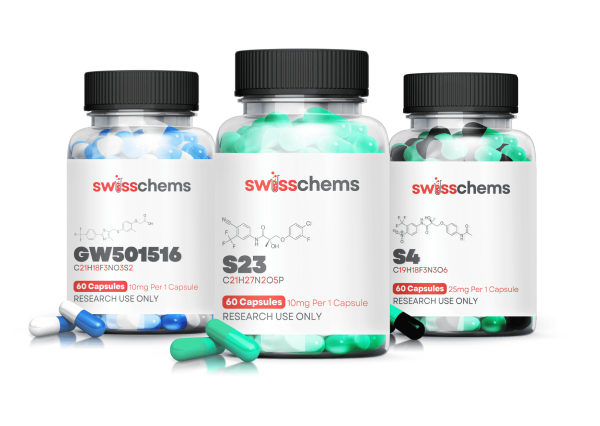
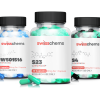
Buy S4 + S23 + GW-501516 Value Pack For Sale | Three-Compound SARM Research Bundle | Fast Shipping
Three of the most studied selective receptor-modulating compounds in modern preclinical research — in one value pack. S4 (Andarine), S-23, and GW-501516 (Cardarine) each target distinct biological pathways: androgen receptor modulation in muscle and bone tissue, selective androgen binding with contraceptive research applications, and PPARδ-mediated fatty acid oxidation and metabolic regulation respectively. Together they cover a broad range of metabolic, musculoskeletal, and endocrine research protocols from a single purchase.
Each compound in this value pack is ≥99% HPLC-verified, third-party COA included, with fast shipping. For sale as research-grade material only — for qualified laboratory use.
Important: This bundle contains three distinct compounds with very different mechanisms, regulatory histories, and safety profiles. Researchers should review each compound individually before designing protocols. GW-501516 in particular carries significant documented safety concerns — covered in full detail below.
What’s Inside the Value Pack
Compound
Class
Primary Receptor Target
Key Research Area
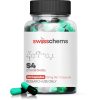
S4 (Andarine)
Non-steroidal SARM
Androgen receptor (AR) — partial agonist
Muscle mass, bone density, fat metabolism
S-23
Non-steroidal SARM
Androgen receptor (AR) — full agonist, high affinity
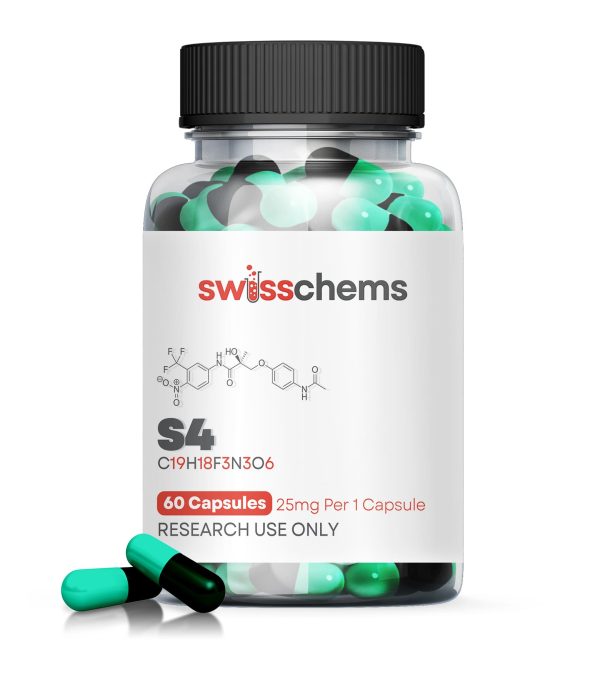
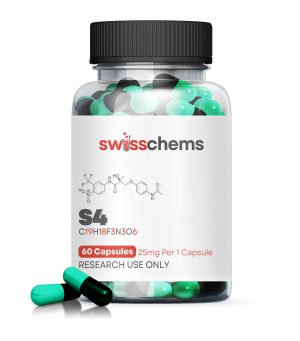
S4, also known as Andarine or GTx-007, is the original SARM. Developed by GTx, Inc. as part of a broader non-steroidal androgen receptor research program, it was initially investigated for muscle wasting, osteoporosis, and benign prostatic hyperplasia (BPH). It was the compound that first demonstrated you could selectively activate androgen receptors in muscle and bone while dramatically reducing activity in prostate tissue — the founding proof-of-concept for the entire SARM class.
Structurally, S4 contains a fluorinated aryl group and acts as a partial agonist at the androgen receptor, with a binding affinity (Ki) of 4 nM. Partial agonism is key — it means the receptor is activated, but not to full testosterone-equivalent levels. This produces tissue-selective anabolic effects in muscle and bone without the full androgenic stimulation of reproductive tissues associated with testosterone or anabolic steroids.
S4 binds preferentially to androgen receptors in skeletal muscle and osseous tissue, promoting protein synthesis pathways and inhibiting bone resorption. In contrast, its activity in the prostate is substantially lower — making it a useful tool for studying the tissue-selectivity axis of androgen receptor pharmacology.
S4 Downstream Research Effects
Pathway
Research Finding
Skeletal muscle
AR activation promotes protein synthesis and may increase lean muscle mass
Bone tissue
Inhibits bone turnover, increases bone mineral density in animal models
Adipose tissue
Fat loss observed in 120-day rat study vs placebo
Prostate tissue
Reduced activity vs. testosterone — key selectivity advantage
BPH models
Reduced prostate weight with efficacy comparable to finasteride, without muscle loss
S4 Clinical Research Data
Muscle and bone in orchidectomized rats (Endocrinology, 2005):S4 treatment improved muscle strength, body composition, and prevented bone loss in orchidectomized (testosterone-deficient) rats. The compound’s selective activation of AR in muscle and bone, with reduced prostate impact, reinforced the case for tissue-selective androgen modulators as a research class.
Osteoporosis model (Pharm Res, 2007):S4 prevented bone loss and reduced body fat in ovariectomized rats — the standard preclinical osteoporosis model — without the androgenic side effects of testosterone.
BPH model (MedKoo): In animal models of benign prostatic hyperplasia, S4 significantly reduced prostate weight with efficacy comparable to finasteride — but without the muscle mass loss or anti-androgenic side effects. This highlights the tissue-selectivity advantage that makes SARMs scientifically distinct from traditional androgens.
Oral bioavailability:S4 is rapidly absorbed following oral administration, binds AR with high affinity (Ki = 7.5 nM), and demonstrates agonist activity. Its oral bioavailability and partial agonist profile make it a versatile tool compound for androgen receptor research across multiple experimental designs.
Cool, dry, dark place; −20°C for long-term storage
Regulatory Status
Banned by WADA; not FDA-approved; research use only
Intended Use
In vitro laboratory research only
Known Side Effects and Safety Considerations — S4
S4 is considered mild relative to other SARMs in terms of androgenic side effects. However, it does carry one unusual and well-documented side effect: temporary yellow-tinted vision and reduced night vision, occurring at higher doses. This effect is dose-dependent and reversible upon discontinuation — but researchers and study designers must account for it in protocol planning.
Other observed effects in preclinical and limited human observations include testosterone suppression, which — while less pronounced than with S-23 — still requires consideration in multi-week protocols. Potential increases in hematocrit, fatigue, and liver enzyme elevation have been noted anecdotally but require more controlled study.
S4 is banned by the World Anti-Doping Agency (WADA) and is not approved by the FDA for any medical use.
S-23 For Sale – Buy Research Grade Now
What Is S-23?
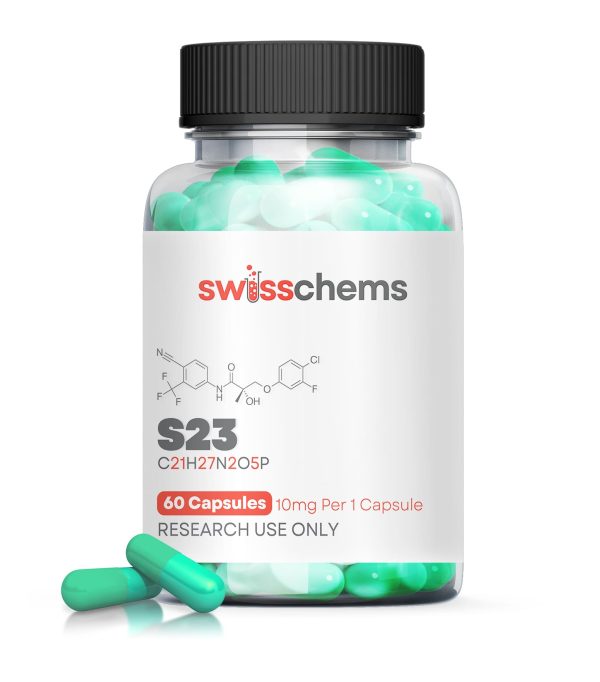
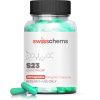
S-23 is a non-steroidal selective androgen receptor modulator developed by GTx, Inc. It is widely considered the most potent SARM available to researchers — binding to androgen receptors with a higher affinity than Andarine, Ostarine, Ligandrol, or RAD-140. Where S4 is a partial agonist, S-23 is a full agonist at the androgen receptor, producing stronger anabolic signaling in target tissues.
Two features make S-23 particularly distinctive in research: its extraordinarily high androgen receptor binding affinity, and its documented investigation as a potential oral male contraceptive — a research direction that makes it mechanistically unlike any other SARM in the class.
S-23 suppresses serum levels of luteinizing hormone (LH) and follicle-stimulating hormone (FSH), producing a biphasic effect on spermatogenesis in rat models. This LH/FSH suppression — analogous in mechanism to how female oral contraceptives work — has made it a subject of dedicated reproductive endocrinology research. Importantly, once treatment is discontinued in animal models, hormone levels return to baseline — suggesting reversibility, though human data remains lacking.
S-23 vs Other SARMs — Potency Comparison
SARM
AR Binding Affinity
Agonist Type
Testosterone Suppression
S-23
Very high — strongest in class
Full agonist
Significant
S4 (Andarine)
High (Ki ~4–7.5 nM)
Partial agonist
Moderate
RAD-140
High
Full agonist
Moderate–High
Ostarine (MK-2866)
Moderate
Partial agonist
Mild
Ligandrol (LGD-4033)
High
Full agonist
Moderate
S-23 Research Data
Muscle preservation under glucocorticoid stress (Endocrinology, 2010):S-23 prevented fast-twitch and slow-twitch muscle fiber loss caused by dexamethasone (a potent glucocorticoid) in rat models. This muscle-protective effect under hormonal stress conditions positions S-23 as a valuable tool compound in muscle-wasting and sarcopenia research protocols.
Male contraceptive model (Endocrinology, 2009): At doses producing >99% suppression of sperm production in male rats, S-23 functioned as a potential oral contraceptive. When treatment was discontinued, spermatogenesis recovered — supporting the reversibility hypothesis. This remains one of the most novel and actively discussed research directions for any SARM.
Female sexual motivation (J Pharmacol Exp Ther, 2010): In postmenopausal female rats, S-23 produced the most significant increase in sexual motivation among all SARMs tested — without inducing uterine growth. The same study confirmed increased lean muscle mass and decreased body fat in a quantity-dependent manner.
Oral bioavailability:S-23 demonstrates approximately 96% oral bioavailability, with peak plasma levels reached at ~4 hours and a half-life of ~11.9 hours. This pharmacokinetic profile makes it well-suited for once or twice-daily dosing protocols in animal research models.
S-23 Technical Specifications
Parameter
Detail
CAS Number
1010396-29-8
Molecular Formula
C₁₈H₁₃F₄N₃O₃
Molecular Weight
416.3 g/mol
Class
Non-steroidal SARM (full AR agonist)
Oral Bioavailability
~96%
Half-Life
~11.9 hours
Peak Plasma
~4 hours post-administration
AR Activity
Full agonist — highest binding affinity in SARM class
Purity
≥99% HPLC verified
Form
Lyophilized powder or solution
Solubility
DMSO; ethanol
Storage
Cool, dry, dark; −20°C for long-term
Regulatory Status
Not FDA-approved; WADA prohibited; research use only
Intended Use
In vitro laboratory research only
Known Side Effects and Safety Considerations — S-23
S-23 is the most potent SARM in this bundle and carries the most pronounced side effect profile. Significant testosterone suppression is well-documented — its mechanism of suppressing LH and FSH means natural testosterone production is meaningfully reduced during administration. Post-protocol recovery planning is an essential design consideration for any S-23 research.
Other considerations include potential fat redistribution, aggression-related behavioral changes in animal models, and the standard SARM caution of liver enzyme monitoring. S-23 is not FDA-approved and is WADA prohibited. No approved human clinical trials have been completed.
GW-501516 (Cardarine) For Sale – Buy Research Grade Now
What Is GW-501516 (Cardarine)?
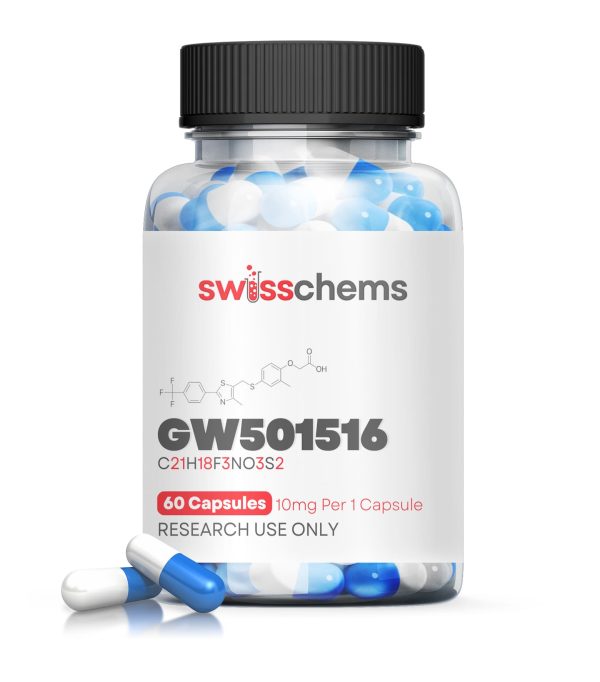
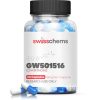
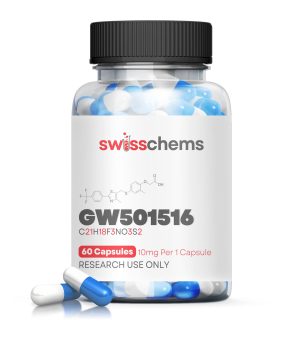
GW-501516 — also known as Cardarine, Endurobol, GW1516, or GSK-516 — is a synthetic small-molecule PPARδ (peroxisome proliferator-activated receptor delta) agonist. Despite being frequently listed alongside SARMs by vendors and online communities, it is not a SARM. It does not act on androgen receptors at all. Instead, it activates PPARδ — a nuclear receptor that regulates transcription of genes involved in fatty acid transport, lipid catabolism, glucose uptake, mitochondrial biogenesis, and energy metabolism.
Originally developed through a research collaboration between GlaxoSmithKline and Ligand Pharmaceuticals beginning in 1992, GW-501516 entered Phase I and Phase II clinical trials for metabolic and cardiovascular conditions. It was abandoned by GSK in 2007 following animal studies showing rapid tumor development across multiple organs (Wikipedia, GW501516). This history is critical context for any researcher working with this compound — covered in detail in the safety section below.
GW-501516 binds to PPARδ with an EC50 and Ki of approximately 1 nM — exceptionally high potency — and with over 1,000-fold selectivity over PPARα and PPARγ. Upon binding, it forms a heterodimer with the retinoid X receptor (RXR) and activates peroxisome proliferator response elements (PPREs) in DNA, upregulating genes involved in fatty acid oxidation, energy expenditure, and mitochondrial function. (Loti Labs, GW-501516 overview; Selleck Chemicals, GW501516 data)
PPARδ is expressed in its greatest concentrations in tissues with high metabolic rates — skeletal muscle, intestine, liver, heart, and kidney — making it a compelling target for metabolic pathway research. Skeletal muscle expresses PPARδ at 10-fold and 50-fold greater concentrations than PPARα and PPARγ respectively, which largely explains GW-501516’s pronounced effects on muscle energy utilization in experimental models.
Research pioneered by Ronald Evans’ laboratory at the Salk Institute — published in Cell in 2007 — demonstrated that GW-501516 dramatically improved physical performance in mice, earning it the informal label of an “exercise mimetic” in the research community. This work was reported in The New York Times and Wall Street Journal and triggered an explosion of interest in the compound, including a significant underground market.
How GW-501516 Modulates Metabolic Pathways
PPARδ Activation Effect
Research Outcome
Upregulates fatty acid transport genes
Skeletal muscle preferentially burns fat over glucose
Activates β-oxidation pathway
Increased mitochondrial fat burning in muscle cells
Recruits PGC-1α coactivator
Enhanced mitochondrial biogenesis and energy expenditure
Raised good cholesterol, lowered LDL and triglycerides in primate models
Promotes angiogenesis
Increased blood vessel formation in skeletal muscle
GW-501516 Research Data
Fatty acid oxidation and obesity prevention (skeletal muscle, animal models): Gene expression studies in rat L6 myotubes treated with GW-501516 revealed PPARδ controls fatty acid oxidation by regulating genes involved in fatty acid transport, β-oxidation, and mitochondrial respiration. Animals fed GW-501516 alongside a calorie-dense diet showed reduced obesity and improved insulin resistance, accompanied by enhanced metabolic rate, proliferation of mitochondria, and significant reduction of lipid fat droplets in skeletal muscles — without changing food intake.
Endurance performance (Evans Lab, Cell, 2007): In a landmark study from Ronald Evans’ laboratory at the Salk Institute, GW-501516 dramatically increased physical endurance in mice — improving performance even in untrained animals after as little as one week. This was attributed to increased fatty acid utilization rather than glucose, effectively “reprogramming” muscle fiber energy preference. The study was published in Cell and widely reported in mainstream media.
Lipid profiles (rhesus monkey model):GW-501516 increased HDL (good) cholesterol and decreased LDL (bad) cholesterol in rhesus monkeys — even at doses as low as 0.3 mg/kg — without observed adverse effects at these lower doses. (Sports Technology Labs, citing primate study data)
Glucose regulation: Animal studies showed GW-501516 reduced circulating insulin levels in both fasted and postprandial states, and reduced the blood glucose spike following feeding. Researchers observed these effects alongside the metabolic pathway changes rather than as independent outcomes.
⚠️ Critical Safety Information — GW-501516 (Cardarine)
This section is not optional reading. Any researcher working with GW-501516 needs to understand this compound’s full regulatory and safety history before designing a protocol.
GSK Discontinuation (2007): GlaxoSmithKline abandoned all clinical development of GW-501516 in 2007 after long-term animal studies demonstrated rapid tumor development across multiple organs — including colorectal, uterine, and other cancers — in rats and mice dosed over 104 weeks. This was not a borderline result. The rapidity and breadth of tumor development were sufficient to end all further human testing. (Wikipedia, GW501516; PMC, PPARβ/δ cancer risk review)
The dose debate: Animal studies used doses of 30–100 mg/kg daily. The effective metabolic doses in primate studies were as low as 0.3 mg/kg. Whether these findings translate to lower-dose human research contexts remains debated in the research community — but the critical point is that this debate has never been resolved through human safety trials, and will not be, precisely because the animal data makes such trials ethically unjustifiable.
Procancerous mechanism: PPARδ activation promotes angiogenesis — the formation of new blood vessels. While beneficial for skeletal muscle blood flow and endurance, angiogenesis is also a key mechanism in tumor progression, allowing benign lesions to turn malignant and meet the nutrient demands of growing tumors. This mechanistic link between PPARδ agonism and cancer promotion is why research into synthetic PPARδ ligands for pharmaceutical applications has been discontinued industry-wide. (Michigan Medicine, 2024; PMC, PPARβ/δ and cancer)
Pancreatic cancer risk (2024): A 2024 study from Michigan Medicine found that synthetic PPARδ ligands including GW-501516 may increase the risk of pancreatic cancer progression in individuals with pre-existing silent precancerous lesions — an important finding for protocol risk assessment.
WADA prohibited:GW-501516 was added to WADA’s prohibited list in 2009. WADA has issued multiple alerts warning that the compound is not safe and has no approved medical use. Testing for it in competitive sport is active and ongoing.
Regulatory status: Not FDA-approved, not EMA-approved, not approved by any regulatory authority for human or veterinary use. Available strictly for qualified laboratory research purposes only.
GW-501516 Safety Summary
Factor
Status
Clinical development
Abandoned by GSK in 2007
Reason for abandonment
Rapid multi-organ tumor development in animal studies
Human cancer data
No confirmed human cases — but no safe human trials were ever run
WADA status
Prohibited since 2009
FDA approval
None
Research community consensus
High-potency research tool with serious documented preclinical safety signals
Recommended use
Controlled laboratory research with full awareness of safety profile
GW-501516 Technical Specifications
Parameter
Detail
Also Known As
Cardarine, Endurobol, GW1516, GSK-516, GW 501516
CAS Number
317318-70-0
Molecular Formula
C₂₁H₁₈F₃NO₃S₂
Molecular Weight
453.5 g/mol
Class
PPARδ agonist (NOT a SARM — does not act on androgen receptors)
PPARδ Potency
EC50 = 1 nM; Ki = 1 nM
PPARδ Selectivity
>1,000-fold over PPARα and PPARγ
Half-Life
~16–24 hours
Purity
≥99% HPLC + LC-MS verified
Form
Solution or lyophilized powder
Solubility
DMSO/CMC
Storage
−20°C; 2 years stable under recommended conditions
Regulatory Status
WADA prohibited since 2009; not FDA-approved; research use only
Intended Use
In vitro laboratory research only
How to Store All Three Compounds
Compound
Recommended Storage
Stability
Notes
S4 (Andarine)
Cool, dry, dark; −20°C preferred
Long-term stable at −20°C
Protect from moisture and light
S-23
Cool, dry, dark; −20°C preferred
Long-term stable at −20°C
Protect from moisture and light
GW-501516
−20°C; stable up to 2 years
2 years at −20°C
DMSO solutions light-sensitive
FAQs About S4 + S23 + GW-501516 Value Pack
1. What is GW-501516 used for in research?
GW-501516 is a selective PPARδ agonist studied for its role in fatty acid oxidation, mitochondrial biogenesis, metabolic pathway modulation, lipid profile regulation, and endurance physiology in preclinical animal models. It was originally developed by GSK for metabolic and cardiovascular diseases, but was abandoned in 2007 after animal studies showed rapid multi-organ tumor development. It remains a research tool for PPARδ pathway investigation — but with significant documented safety concerns that make strict protocol oversight essential.
2. Is GW-501516 legal to buy and sell in the United States?
GW-501516 is legal to purchase and sell in the USA for qualified laboratory research purposes. It is not FDA-approved for any medical use and cannot be sold for human consumption. It is prohibited by WADA in competitive sport since 2009. Buyers must comply with all applicable federal and state regulations and confirm research-use intent at the point of purchase.
3. What are the top-rated quality markers for GW-501516 products from online stores?
The most important quality indicators when you buy GW-501516 are: ≥99% purity confirmed by independent HPLC and LC-MS testing, a publicly available Certificate of Analysis (COA) linked to a specific batch number, third-party lab verification (not just in-house testing), and clear molecular weight confirmation of 453.5 g/mol. A 2020 study found only 52% of online research compounds contained the product advertised, 39% contained unapproved drugs, and 9% contained no active substance at all — making verified sourcing critical.
4. What does GW-501516 do to your body in research models?
In animal models, GW-501516 activates PPARδ — shifting skeletal muscle’s energy preference from glucose to fat oxidation. It upregulates genes in fatty acid transport and β-oxidation, promotes mitochondrial biogenesis, improves endurance performance, raises HDL cholesterol, lowers LDL and triglycerides, and reduces insulin resistance and fat accumulation even under high-calorie diets — without changing food intake. At high doses and extended durations, it caused rapid tumor development in multiple organs in rat and mouse studies.
5. How does S-23 compare to other SARMs for muscle research?
S-23 has the highest androgen receptor binding affinity and the strongest anabolic activity of any SARM currently available for research. It outperforms Andarine (S4), Ostarine, and even RAD-140 in preclinical binding affinity data. Its 96% oral bioavailability and 11.9-hour half-life make it practical for animal model dosing. It’s particularly valuable in muscle-wasting research, glucocorticoid-induced atrophy models, and reproductive endocrinology studies. The tradeoff is its most significant side effect: substantial testosterone suppression requiring careful protocol design and recovery planning.
6. What makes S4 (Andarine) unique compared to other SARMs?
S4 is the original SARM — the compound that first proved selective androgen receptor modulation was possible in a non-steroidal framework. Its distinction is partial agonism combined with tissue selectivity: it activates androgen receptors in muscle and bone more strongly than in the prostate or reproductive tissues, enabling cleaner anabolic research signals. Its well-documented preclinical profile across muscle, bone, fat, and BPH models makes it one of the most versatile tool compounds for AR biology research. Its unique limitation is the dose-dependent temporary visual disturbance (yellow-tinted vision) — reversible on discontinuation but distinct to this compound among SARMs.
7. Does GW-501516 burn fat or just suppress appetite?
Neither suppression of appetite nor hormonal signaling — GW-501516 burns fat by reprogramming cellular fuel preference at the genetic level. PPARδ activation directly upregulates genes in fatty acid transport, β-oxidation pathways, and mitochondrial function in skeletal muscle, causing the body to preferentially burn stored fat for energy rather than glucose. This effect was observed in animal models even without caloric restriction or changes to food intake — making it mechanistically different from appetite-suppressing compounds. It is essentially a metabolic pathway switch, not a hunger reducer. (Loti Labs; Evans Lab, Cell, 2007)
8. What is the RAD-140 + GW-501516 + S4 stack used for in research?
Researchers studying multi-compound SARM stacks often combine AR-modulating SARMs like RAD-140 or S4 with GW-501516 to investigate combined effects on body composition — anabolic AR signaling alongside PPARδ-mediated fat oxidation and endurance enhancement. Since GW-501516 does not suppress testosterone or act on androgen receptors, it does not compound the androgenic suppression of SARMs, making it a mechanistically complementary addition to SARM research protocols. All such multi-compound research requires strict controls and institutional oversight.
9. What are the side effects of S4 (Andarine) in research?
The most documented and distinctive side effect of S4 is temporary yellow-tinted vision and reduced night vision, which occurs at higher doses. This is reversible upon discontinuation and does not appear to cause permanent ocular damage in studies — but must be accounted for in protocol design. Other effects observed include mild testosterone suppression (less severe than S-23), potential increases in hematocrit, and liver enzyme changes at higher doses. No gynecomastia has been reported in studies to date.
10. Is S-23 being researched as a male contraceptive?
Yes — and it’s one of the most scientifically compelling applications of any SARM. In rat studies, S-23 suppressed LH and FSH, which in turn suppressed sperm production — producing infertility in male subjects during the treatment period. When treatment was stopped, hormone levels and spermatogenesis recovered, suggesting reversibility. The mechanism parallels how female oral contraceptives work via hormone suppression. Human trials have not been conducted, but the preclinical data has generated sustained academic interest in S-23 as a candidate for male hormonal contraception research.
11. What happened to GW-501516 clinical trials and why were they stopped?
GSK began Phase I trials for GW-501516 in 2000 for hyperlipidemia, followed by Phase I/II in 2002. By 2007, the compound had completed two Phase II studies. However, GSK abandoned all development in 2007 after internal animal studies showed the compound caused rapid tumor development in multiple organs — including colorectal, uterine, and other tissues — in rat and mouse models dosed over 104 weeks. The studies were not published as full peer-reviewed papers at the time, but the safety signal was compelling enough for complete program termination. WADA added GW-501516 to its prohibited list in 2009. No further pharmaceutical development has been pursued.
12. How do I verify the authenticity of S4, S23, or GW-501516 products from online stores?
Always demand: (1) a batch-specific Certificate of Analysis (COA) linked to the exact vial you’re purchasing — not a generic document; (2) independent third-party lab verification, not in-house testing; (3) HPLC and mass spectrometry data confirming molecular weight and purity; (4) confirmation of ≥99% purity. A 2020 analysis of 44 online research products found only 52% contained what was advertised, and 39% contained unapproved substances. Third-party lab verification is the only way to confirm what’s actually in the vial. (Sports Technology Labs, citing analysis data)
⚠️ Research Use Only: All compounds in this value pack are intended strictly for in vitro laboratory research by qualified professionals. Not for human or animal consumption, therapeutic use, or diagnostic application. GW-501516 in particular has a documented preclinical safety profile involving tumor development — researchers must design protocols with full awareness of this history. Not evaluated or approved by the FDA, EMA, Health Canada, or any regulatory authority for human use. WADA prohibits all three compounds in competitive sport. Buyers confirm compliance with all applicable local laws and regulations.
2 reviews for S4 + S23 + GW-501516 Value Pack
Rated 5 out of 5
Julian (verified owner)–
It feels like a credible option in a space where that matters.
Rated 4 out of 5
Patrick (verified owner)–
Fast shipping and consistent service make SwissChems easy to trust.



Julian (verified owner) –
It feels like a credible option in a space where that matters.
Patrick (verified owner) –
Fast shipping and consistent service make SwissChems easy to trust.